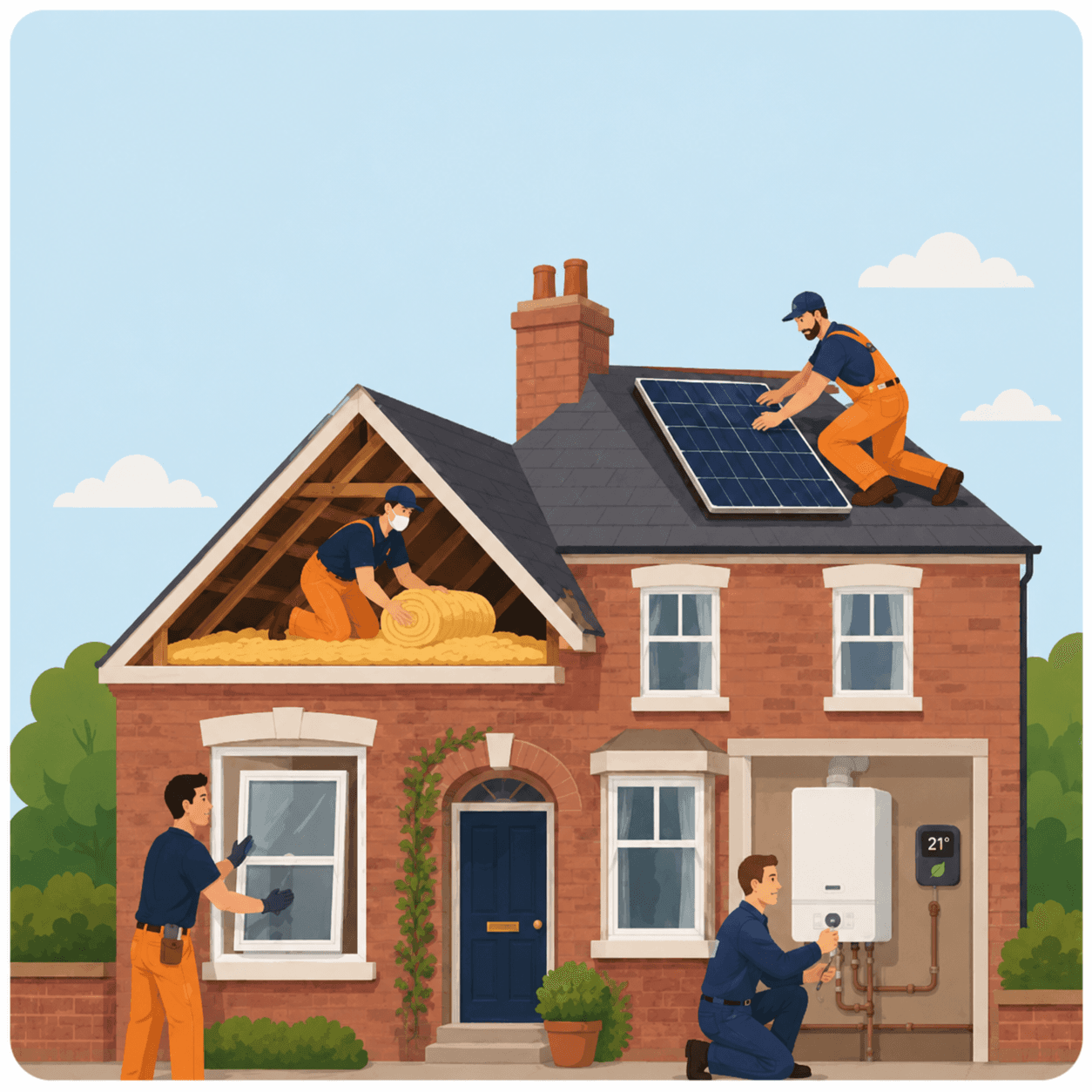
Older homes often have character, space and charm, but they can also be harder to keep warm. Draughty rooms, cold floors, poor insulation and outdated heating systems are common issues, especially in properties built before modern energy efficiency standards.
If you live in an older terrace, semi-detached house, cottage, bungalow or period property, improving energy efficiency can make your home more comfortable and easier to heat. It may also help improve your Energy Performance Certificate, or EPC, which can be useful if you are planning to sell, rent or remortgage.
An EPC shows how energy efficient a property is, gives it a rating from A to G, and includes recommended steps to improve efficiency and reduce energy costs. In England and Wales, you must have an EPC when selling, renting out or building a property.
The best upgrades for an older home depend on how the property is built, its current condition and what improvements have already been made. This guide explains some of the most common options.
Why Older Homes Can Be Less Energy Efficient
Many older homes were built before insulation, double glazing and modern heating controls became standard. Some have solid walls rather than cavity walls, suspended timber floors, open chimneys, older windows and less efficient boilers.
That does not mean older homes cannot be improved. It simply means upgrades need to be chosen carefully.
This is especially important for traditional or period properties. Historic England advises that energy efficiency work should be considered carefully in older buildings, because some changes can affect the way the building manages moisture, ventilation and heat.
A good approach is to improve the home step by step, starting with the areas that are most likely to reduce heat loss and improve comfort.
Start With an Energy Assessment
Before choosing upgrades, it is worth understanding how your home currently performs.
You can start by checking whether your property already has a valid EPC. The certificate will show your current rating, your potential rating and recommended improvements. GOV.UK states that EPCs include information about a property’s energy use, typical energy costs and steps to improve efficiency.
An assessment can help identify whether your home would benefit most from insulation, heating upgrades, window improvements, solar panels or better controls.
This is useful because not every older home needs the same solution. A Victorian terrace in Manchester may have different issues from a rural stone cottage in Lancashire or a coastal property in Merseyside.
1. Loft Insulation
Loft insulation is often one of the first upgrades to consider because heat rises, and a poorly insulated roof space can allow warmth to escape quickly.
If your loft has little or no insulation, topping it up can help keep heat inside the home for longer. This can make upstairs rooms feel warmer and reduce the pressure on your heating system.
Loft insulation may be suitable if:
- Your loft is accessible
- The roof space is dry and well ventilated
- Existing insulation is thin, patchy or missing
- You are not using the loft as a fully converted living space
If the loft has damp, poor ventilation or roof issues, these should be looked at before insulation is added.
2. Wall Insulation
Walls are another important area to consider, but the right solution depends on the type of wall your home has.
Many older homes have solid walls, especially properties built before the 1920s. Energy Saving Trust explains that homes built before 1920 are more likely to have solid walls, and solid walls cannot be filled with cavity wall insulation because there is no gap to fill.
For older homes, wall insulation options may include:
- Cavity wall insulation, if the property has suitable cavity walls
- Internal wall insulation
- External wall insulation
- Insulating plaster or specialist systems in some cases
Solid wall insulation can help reduce heat loss and make a home more energy efficient, but it needs careful planning. Energy Saving Trust notes that moisture, ventilation, building condition and suitable materials should all be considered, particularly in older properties.
This is not usually a quick DIY job. It is best assessed by a qualified professional who understands older buildings.
3. Underfloor Insulation
Cold floors are common in older homes, especially where there are suspended timber floors with gaps underneath.
Underfloor insulation can help reduce heat loss through the floor and make rooms feel more comfortable. It can be particularly useful in living rooms, hallways and ground-floor bedrooms.
This type of upgrade may be suitable if:
- You have suspended timber floors
- There is access beneath the floorboards or from a cellar
- The floor is draughty
- Ground-floor rooms feel noticeably colder
Ventilation is important. Air bricks and underfloor ventilation should not be blocked, as they help prevent moisture build-up and timber decay.
4. Draught-Proofing
Draught-proofing is one of the simplest ways to improve comfort in an older home.
Older properties often have small gaps around doors, windows, floorboards, loft hatches, pipework and chimneys. These gaps can let cold air in and warm air out.
Common draught-proofing improvements include:
- Sealing gaps around windows and doors
- Adding draught excluders
- Fitting letterbox and keyhole covers
- Sealing gaps around pipework
- Improving loft hatch seals
- Using chimney balloons or chimney draught excluders where appropriate
The aim is to reduce unwanted draughts while still allowing the home to breathe. Older homes need adequate ventilation, especially in kitchens, bathrooms and rooms with fuel-burning appliances.
5. Heating System Upgrades
A heating system has a major impact on comfort and energy use.
If your boiler is old, unreliable or inefficient, upgrading it may improve heating performance. However, it is usually best to consider insulation first, because a well-insulated home needs less heat in the first place.
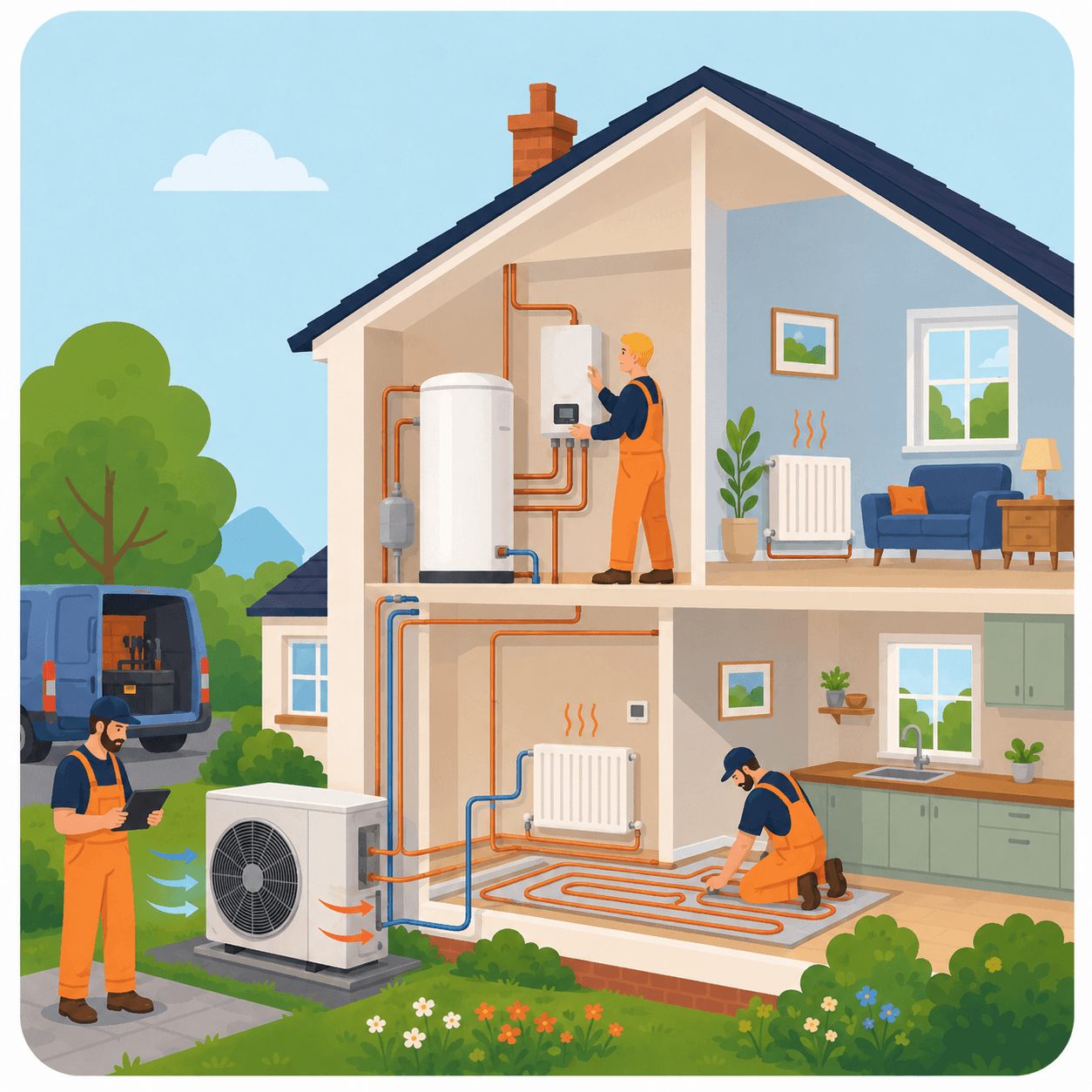
Heating upgrades for older homes may include:
- Replacing an old boiler
- Installing first-time central heating
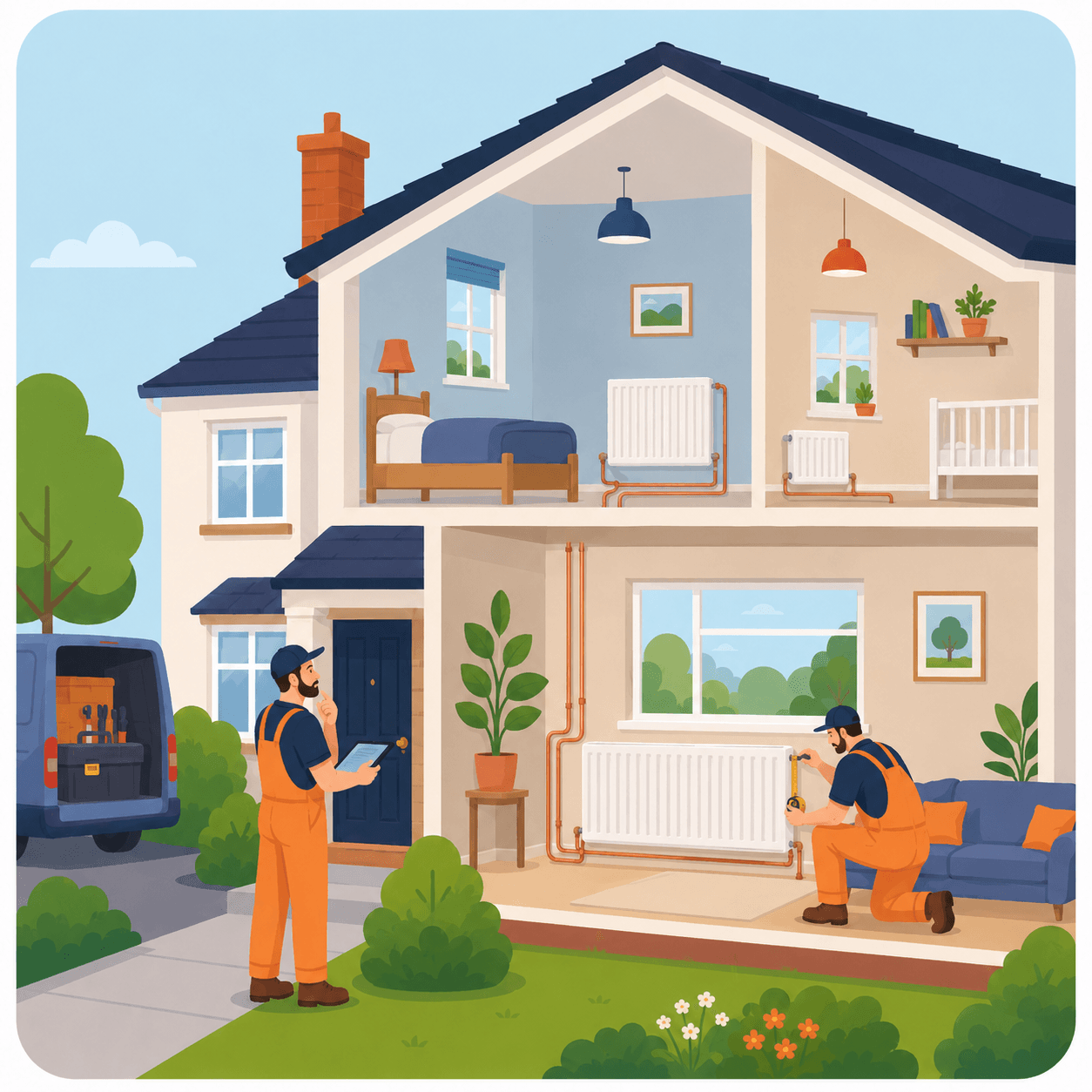
- Adding or upgrading radiators
- Balancing the central heating system
- Improving pipe insulation
- Installing thermostatic radiator valves
- Considering a heat pump where suitable
The best option depends on the property, existing heating setup, insulation levels and household needs.
6. Better Heating Controls
Heating controls are often overlooked, but they can make an older home much easier to manage.
Basic controls can mean the whole house is heated even when only one or two rooms are being used. Better controls allow you to heat your home more efficiently and avoid unnecessary energy use.
Options include:
- Programmable thermostats
- Smart thermostats
- Thermostatic radiator valves
- Zoned heating controls
- Timers for heating and hot water
For larger or older homes with rooms used at different times of day, better controls can be especially useful.
7. Window Improvements
Windows can affect heat loss, comfort, noise and draughts.
Some older homes already have double glazing, but the units may be old, misted or poorly sealed. Others may still have single glazing, which can make rooms feel cold and draughty.
Possible upgrades include:
- Replacing failed double-glazed units
- Repairing or improving window seals
- Secondary glazing
- Full window replacement
- Draught-proofing around frames
For period properties, secondary glazing may be worth considering where original windows are part of the building’s character or where planning restrictions apply.
8. Door Improvements
External doors can be another source of draughts and heat loss.
A poorly fitting front or back door can make a hallway or living space feel cold, even if the heating is on. In some cases, small improvements are enough. In others, a replacement door may be more practical.
Useful improvements include:
- Replacing worn seals
- Adjusting poorly fitting doors
- Adding threshold strips
- Upgrading letterboxes
- Installing a more energy-efficient external door
As with windows, the right approach depends on whether you want to preserve the property’s original features.
9. Solar Panels
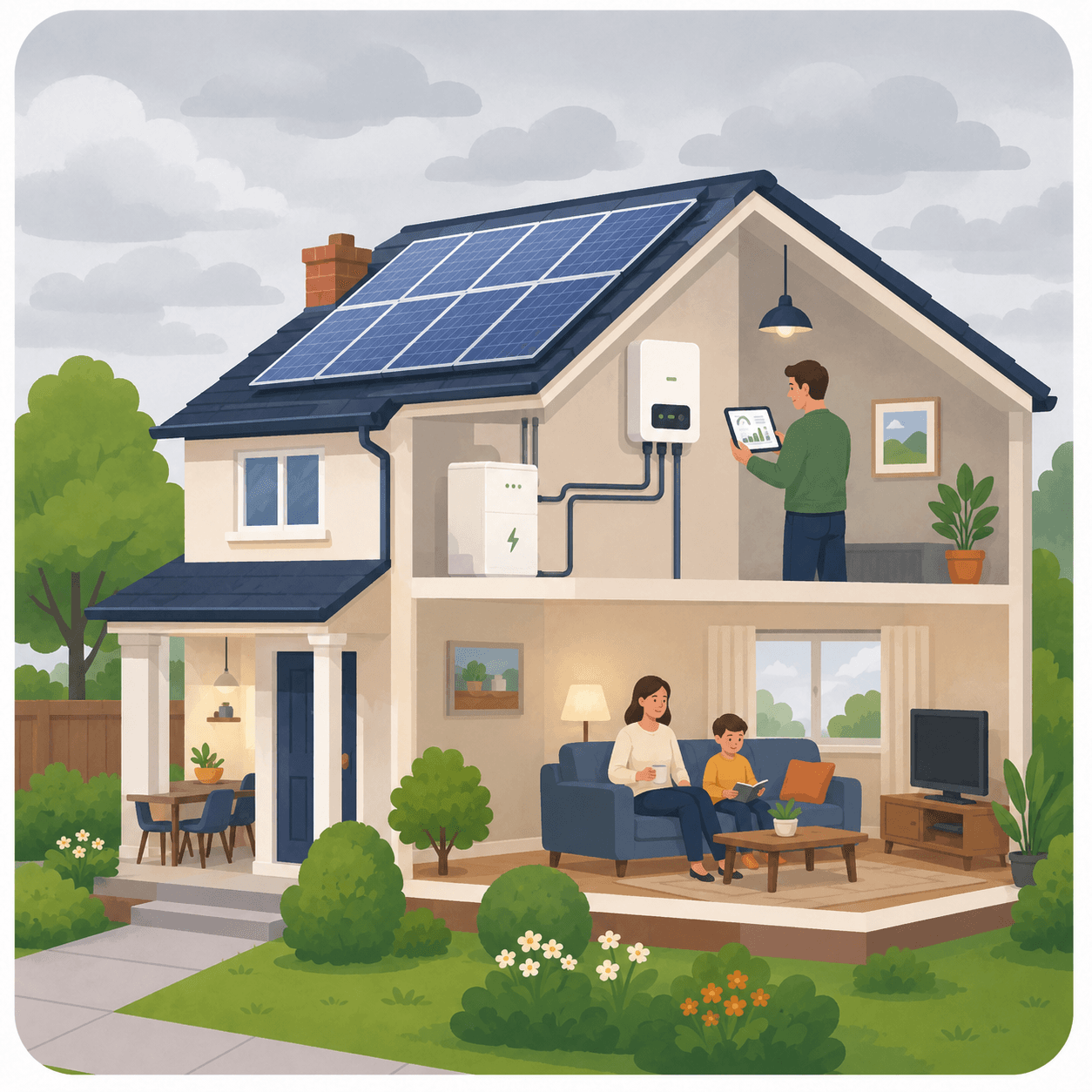
Solar panels can be a good option for some older homes, especially where the roof is suitable and electricity use is fairly high during the day.
Solar panels generate electricity from daylight, helping reduce reliance on grid electricity. They may also support a better EPC rating, depending on the property and existing energy setup.
Before installing solar panels, it is worth checking:
- Roof direction
- Roof angle
- Shading from trees or nearby buildings
- Roof condition
- Available roof space
- Whether planning restrictions apply
- Whether battery storage would be useful
If the roof is due for repairs, it may make sense to deal with those first.
10. Ventilation Improvements
As homes become better insulated and more airtight, ventilation becomes even more important.
Older homes often relied on natural ventilation through gaps, chimneys and less tightly sealed windows. Once those gaps are reduced, moisture needs another way to escape.
Poor ventilation can contribute to condensation, damp and mould, particularly in kitchens, bathrooms and bedrooms.
Ventilation improvements may include:
- Extractor fans
- Trickle vents
- Positive input ventilation
- Mechanical ventilation in some cases
- Keeping existing air bricks clear
- Using suitable breathable materials in older buildings
Energy Saving Trust explains that air needs to flow in and out of a house to keep it fresh, dry and healthy, and that intentional ventilation such as air bricks and trickle vents should not be blocked.
11. Low-Energy Lighting
Low-energy lighting is a simple, low-disruption upgrade.
Replacing old bulbs with LED lighting can reduce electricity use and is usually quick to do. On its own, lighting will not fix a cold home, but it can contribute to overall efficiency and may help with EPC recommendations.
This is often a sensible small improvement to make alongside larger upgrades.
12. Improve Hot Water Efficiency
Hot water can be another area where older homes waste energy.
Depending on your system, improvements may include:
- Insulating hot water cylinders
- Adding pipe insulation
- Improving hot water controls
- Replacing an inefficient cylinder
- Checking whether the boiler is heating water efficiently
These improvements are often relatively straightforward and can support wider energy efficiency work.
Choosing the Right Order for Upgrades
The best results usually come from taking a planned approach rather than choosing upgrades at random.
A sensible order might be:
- Check your EPC or arrange an assessment
- Deal with damp, roof issues or structural problems first
- Improve loft insulation and draught-proofing
- Look at wall and floor insulation
- Review heating and hot water systems
- Add better controls
- Consider windows, doors and solar panels
- Arrange a new EPC if major work has been completed
The key is to improve the building fabric first where possible. A home that holds heat well will usually need less energy to keep warm.
Things to Be Careful With in Older Homes
Energy-efficient upgrades can be very worthwhile, but older homes need careful treatment.
Before carrying out major work, consider:
- Whether the property has solid walls
- Whether there are damp or condensation issues
- Whether the building is listed
- Whether it is in a conservation area
- Whether ventilation will be affected
- Whether materials are suitable for the building
- Whether planning permission may be needed
Energy Saving Trust advises that older or listed buildings can often be insulated in some way where appropriate, but professional advice is particularly important for listed buildings and homes in conservation areas.
Are Grants or Funding Available?
Some households may qualify for support towards energy-efficient upgrades, depending on their circumstances, property type, EPC rating and the schemes available at the time.
Funding may be linked to improvements such as insulation, heating upgrades, solar panels or whole-house retrofit work. Eligibility can vary, so it is worth checking before assuming you need to pay for everything privately.
A proper assessment can help identify whether your home may be suitable for funded improvements.
Final Thoughts
Older homes can be made warmer, more efficient and more comfortable, but the best upgrades depend on the property.
For many homes, the most effective starting points are insulation, draught-proofing, heating improvements and better controls. Larger upgrades such as solid wall insulation, window replacement, solar panels or heat pumps can also be useful, but they should be chosen carefully and installed properly.
The aim is not to remove the character of an older home. It is to help the property perform better while respecting how it was built.
At Warmr, we help homeowners understand which energy-efficient upgrades may be suitable for their property, from insulation and heating improvements to solar panels and wider home energy upgrades. A clear assessment is often the best first step, especially with older homes where the right solution is not always obvious.