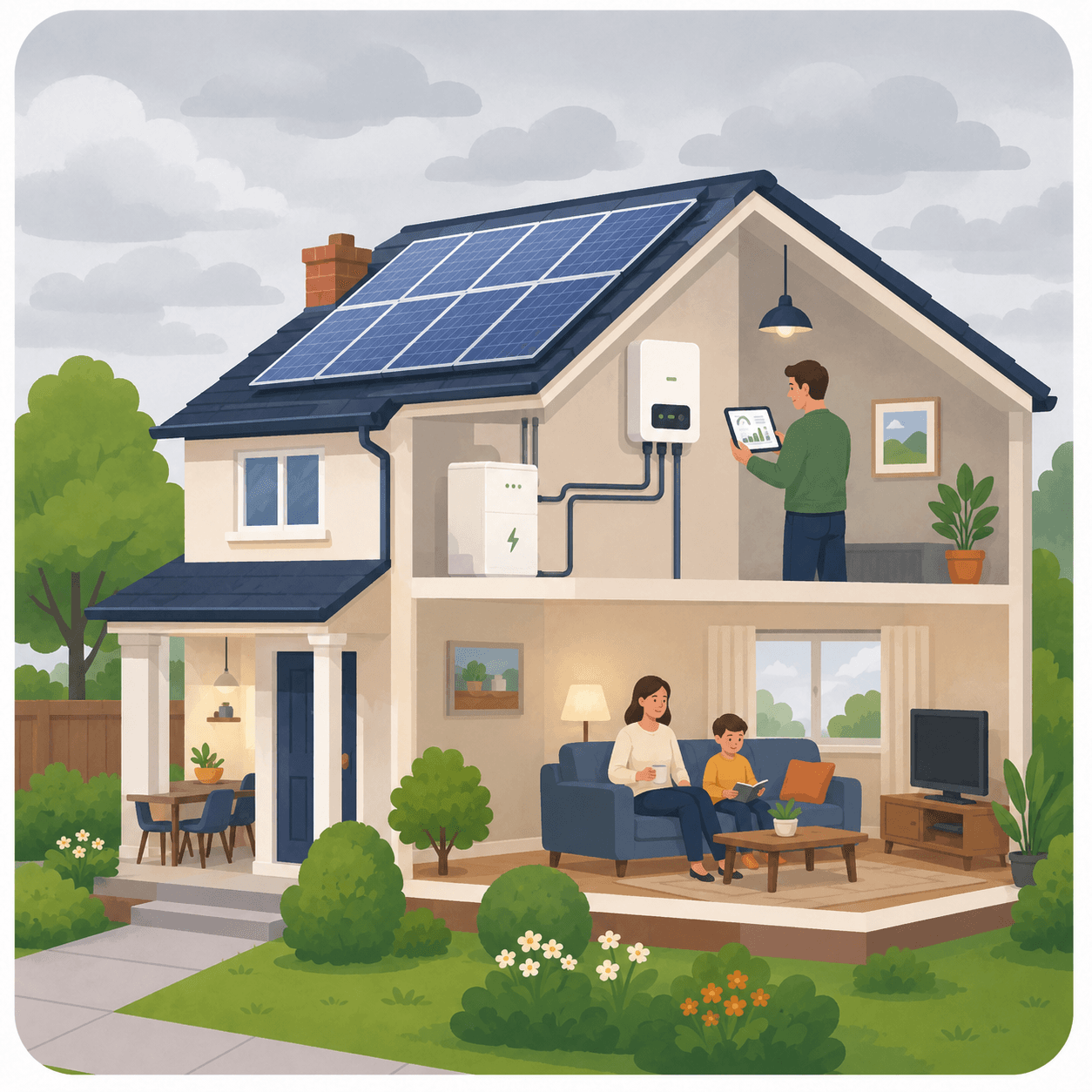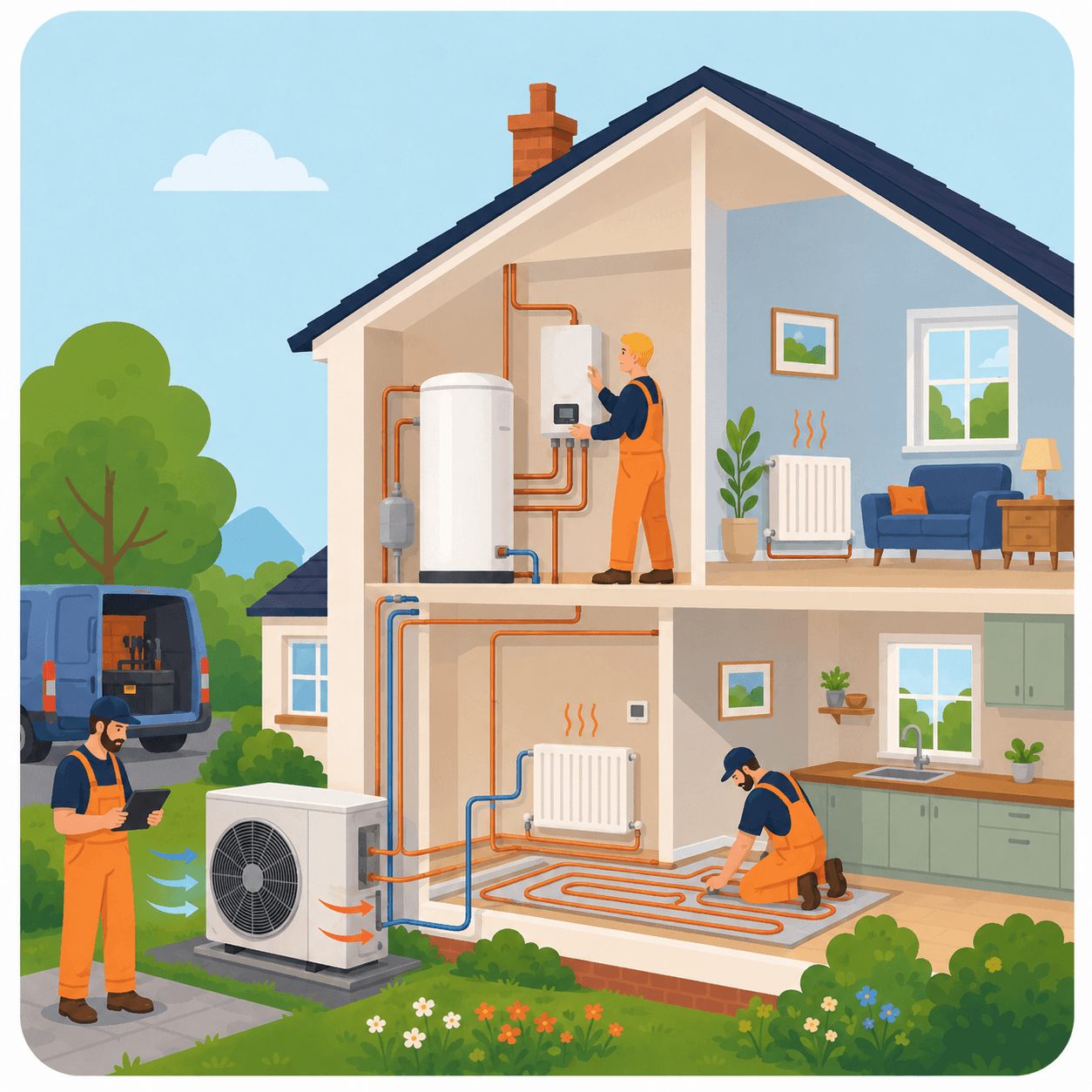

An energy assessment is the first step towards upgrading the energy efficiency of your home and saving on your bills. The assessment identifies ways to make your home more energy-efficient, from insulation to heating upgrades.
At Warmr, we make the process simple and transparent, helping you with affordable options, bespoke to your house. Here’s what to expect during an assessment and how to prepare.
What Is an Energy Efficiency Assessment?
An energy efficiency assessment is a professional survey of your home’s energy performance, conducted by experts to identify areas of heat loss and recommend upgrades. In Merseyside, where many homes have low EPC ratings, this assessment is key to determining the most suitable upgrades for your home. In the case of renewable upgrades, this also helps us gather the necessary information we need to produce solar & heating designs.
What Happens During the Assessment?
The assessment, which takes around an hour for an average size home, includes:
- Insulation Check: Inspecting loft, wall, and floor insulation levels.
- Heating Evaluation: Assessing your boiler or heating system’s efficiency.
- Energy Loss Analysis: Using tools like thermal imaging to identify heat loss.
- Recommendations: Suggesting upgrades like loft insulation or air source heat pumps.
Warmr’s assessors provide a detailed report tailored to your home’s needs.
How to Prepare
- Clear Access: Ensure easy access to your loft, walls, and heating system.
- Gather Information: Note your home’s age, construction type, or energy bill details. If you can’t collect this information, it isn’t an issue, as the assessors will be able to estimate it.
- Identify Issues: Highlight damp, mould, or draughts to inform recommendations.
- Ask Questions: Prepare queries about the installation process and any preferences you may have.
Benefits of an Assessment
- Personalised Solutions: Tailored upgrades to maximise energy savings.
- Path to Savings: Leads to upgrades that can save £200–£400 annually.
- Improved Comfort: Addresses cold spots and improves home warmth.