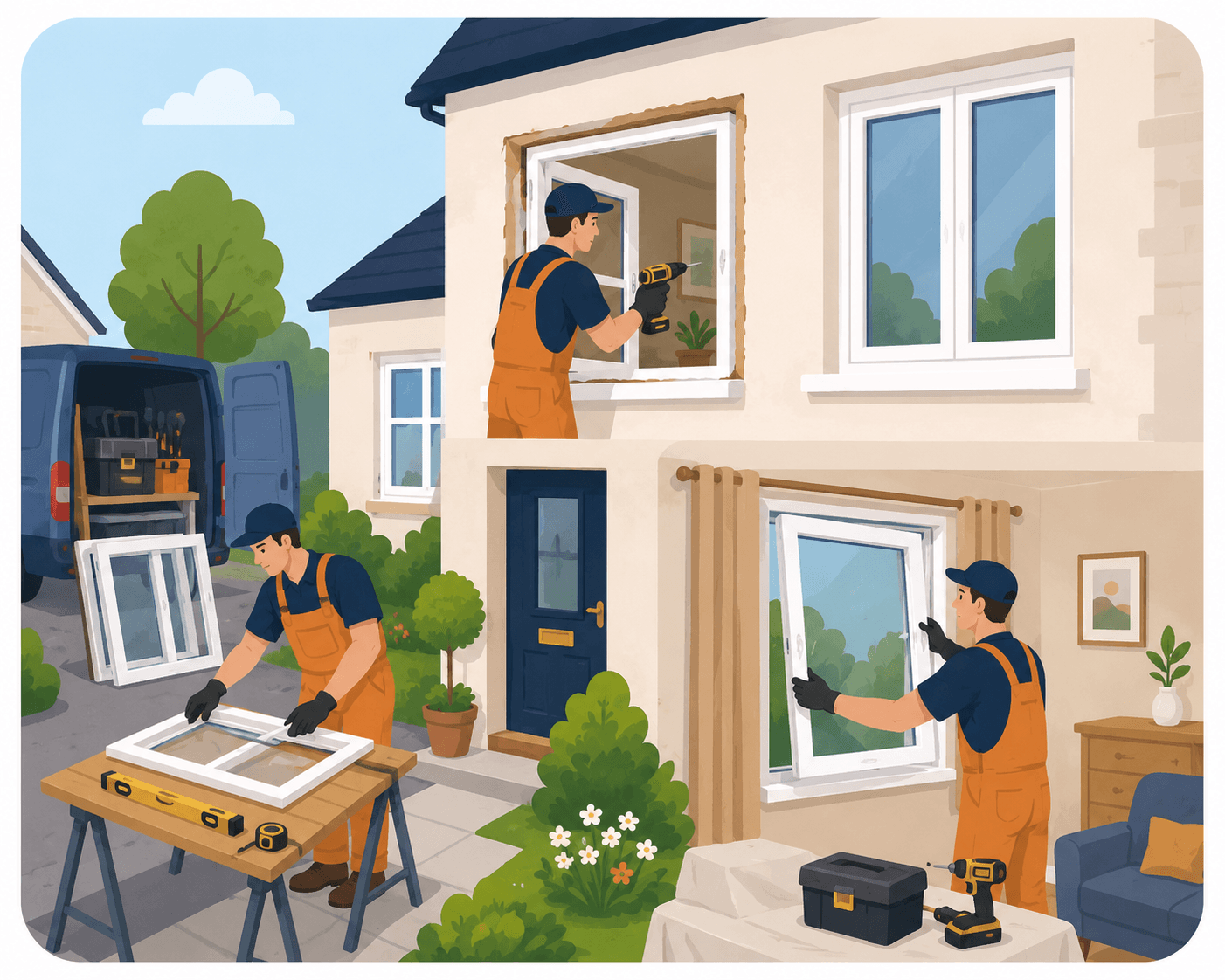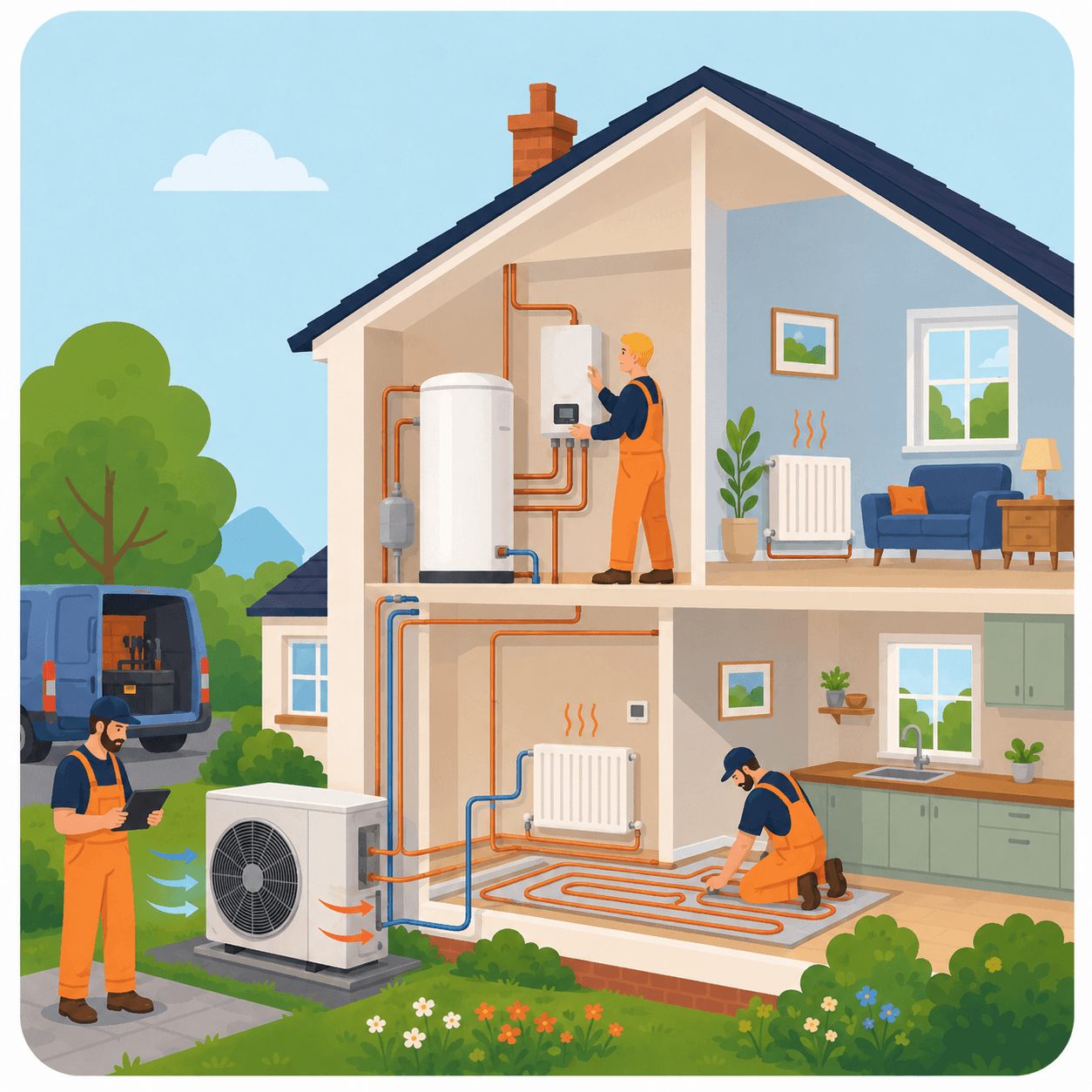
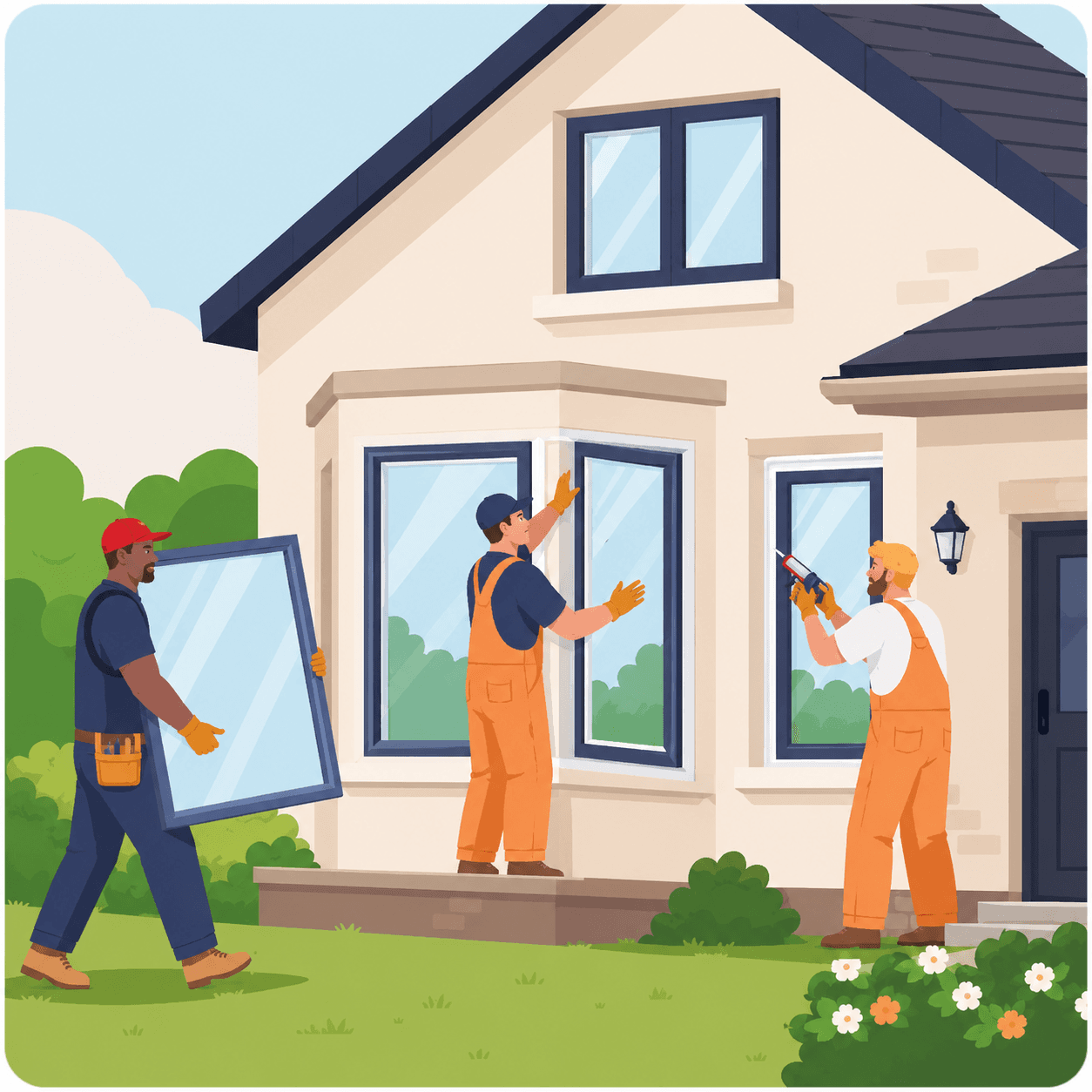
Windows play an important role in how warm, quiet and comfortable a home feels. If your windows are draughty, single glazed, damaged or regularly covered in condensation, you may be wondering whether upgrading them is worth the cost.
The answer depends on your home. New windows can improve energy efficiency, reduce heat loss, cut draughts and make rooms feel more comfortable. But they are not always the first or only improvement a property needs.
For many homeowners, especially those living in older homes, window upgrades work best as part of a wider plan that also looks at insulation, heating, ventilation and draught-proofing.
This guide explains when new windows may be worth it, what options are available, and what to consider before making a decision.
Why Windows Matter for Energy Efficiency
Windows are one of the areas where a home can lose heat. This is especially noticeable with single glazing, old double glazing, poorly sealed frames or damaged window panes.
Energy-efficient windows are designed to reduce heat loss and make rooms feel more comfortable. Energy Saving Trust explains that energy-efficient glazing can help reduce draughts and cold spots, improve comfort, reduce condensation on the inside of windows and reduce outside noise.
That does not mean every home needs brand new windows straight away. In some cases, repairing seals, replacing a failed pane, adding secondary glazing or improving draught-proofing may be enough.
When New Windows May Be Worth Considering
Window upgrades may be worth looking at if your current windows are clearly underperforming.
Common signs include:
- Draughts around the window frame
- Single glazing throughout the property
- Condensation between glass panes
- Cracked, damaged or loose panes
- Rotten or warped frames
- Windows that are difficult to open or close
- Rooms that feel cold near the windows
- Noticeable outside noise
- Mould or condensation around window reveals
- Poor security or weak locks
If your windows are modern, well-sealed and in good condition, full replacement may not offer the same level of benefit as other upgrades, such as loft insulation, wall insulation or heating controls.
How Much Can New Windows Save?
The savings from new windows depend heavily on what you are replacing.
Energy Saving Trust estimates that installing A-rated double glazing in an entirely single-glazed semi-detached home could save around £140 a year on energy bills in Great Britain. It also estimates that a set of A-rated windows for a semi-detached home typically costs around £12,000, although the actual cost depends on window size, frame material, glazing type and style.
This is important because it shows that new windows are not always a quick payback upgrade. They can be very useful for comfort, noise reduction, appearance and condensation, but the financial return from energy savings alone may take time.
So, are they worth it? They can be, especially if your current windows are single glazed, damaged or draughty. But if your main goal is reducing bills quickly, it may be worth checking whether insulation or heating controls would deliver better value first.
Double Glazing, Triple Glazing and Secondary Glazing
There are several ways to improve window performance. The best option depends on your property, budget and any restrictions that apply.
Double Glazing
Double glazing uses two panes of glass separated by a gap, usually filled with air or an inert gas. This gap helps reduce heat loss compared with single glazing.
Modern double glazing often includes low-emissivity glass, also known as low-E glass. Energy Saving Trust explains that low-E glass has a thin coating on one of the internal glass surfaces, helping reflect heat back into the room.
For many homes, upgrading from single glazing to good-quality double glazing can make a noticeable difference to comfort.
Triple Glazing
Triple glazing uses three panes of glass with two gaps between them. It can offer better insulation and noise reduction than double glazing, but it usually costs more.
Energy Saving Trust notes that triple glazing can reduce heat loss further, reduce draughts and improve comfort, although it is generally more expensive than double glazing.
Triple glazing may be more attractive if your home is in a colder or noisier location, or if you are doing a wider high-performance retrofit. For many homes, high-quality double glazing may be enough.
Secondary Glazing
Secondary glazing involves adding another pane or panel inside the existing window. It can be useful where replacing windows is not practical or where the original windows need to be retained.
Historic England describes secondary glazing as an effective form of draught prevention that can allow historic windows to remain in place while improving performance, provided it is well designed.
This can be particularly relevant for older homes, listed buildings or properties in conservation areas.
Do New Windows Improve Your EPC Rating?
New windows can help improve an Energy Performance Certificate, or EPC, but the impact depends on the whole property.
An EPC considers several areas, including walls, roof, floor, heating, hot water, lighting and windows. If your home currently has single glazing, upgrading to energy-efficient glazing may support a better rating. However, if your existing double glazing is already reasonable, the EPC improvement may be smaller.
This is why it is worth checking your current EPC recommendations before replacing windows. If the EPC identifies loft insulation, wall insulation or heating upgrades as higher-impact measures, those may be better starting points.
New Windows vs Other Energy Upgrades
Window upgrades can improve comfort, but they are only one part of a home’s energy performance.
Before replacing every window, it is worth asking:
- Is the loft properly insulated?
- Are the walls insulated where suitable?
- Are there draughts around doors, floors or the loft hatch?
- Is the boiler or heating system efficient?
- Are heating controls easy to use?
- Is there enough ventilation to manage moisture?
- Are existing windows repairable?
For example, a home with poor loft insulation may still lose a lot of heat through the roof, even after new windows are fitted. Similarly, a home with damp or ventilation issues may still experience condensation if airflow is not addressed properly.
A whole-home view is usually more useful than focusing on windows alone.
What About Draught-Proofing?
Draught-proofing can be a lower-cost step before full window replacement, particularly if the frame is still in good condition.
Energy Saving Trust explains that draught-proofing can reduce unwanted heat loss, but it is important not to block intentional ventilation such as extractor fans, air bricks or trickle vents. Homes still need controlled airflow to stay fresh, dry and healthy.
Draught-proofing may include:
- Sealing gaps around window frames
- Repairing or replacing worn seals
- Adjusting poorly closing windows
- Adding brush strips or draught seals
- Using thermal curtains or blinds
- Repairing damaged frames
- Improving the loft hatch, doors and other draught points too
This can be particularly useful in older homes where full window replacement is not immediately planned.
What About Condensation?
New windows may help reduce condensation on the inside of glass because the internal pane is usually warmer than single glazing. Energy Saving Trust lists reduced condensation as one of the benefits of energy-efficient windows.
However, condensation is not always just a window problem. It is often linked to moisture and ventilation.
Common moisture sources include:
- Cooking
- Showering
- Drying clothes indoors
- Poor bathroom ventilation
- Poor kitchen extraction
- Lack of airflow behind furniture
- Cold external walls
- Inconsistent heating
If condensation is heavy or mould keeps returning, it is worth checking ventilation and moisture levels before assuming new windows will solve everything.
Do You Need Planning Permission?
In many cases, replacing windows in a standard home does not require planning permission, provided the appearance is similar. However, there can be exceptions, especially for listed buildings, flats, conservation areas or properties with specific restrictions.
You may also need to comply with Building Regulations. GOV.UK explains that when building work requires approval, one option is to use an installer registered with a competent person scheme, who can self-certify the work and notify the local authority.
FENSA describes itself as a government-authorised scheme that monitors Building Regulation compliance for replacement windows and doors.
Before agreeing to window replacement, it is sensible to check whether your installer will provide the correct certification.
Frame Materials: What Should You Choose?
Energy-efficient windows come in different frame materials. Each has pros and cons.
Common options include:
uPVC: often lower cost, low maintenance and widely used
Timber: traditional appearance, good for period properties, but needs maintenance
Aluminium: slim frames, modern appearance and durable, often higher cost
Composite: combines materials for performance and appearance
Energy Saving Trust notes that costs vary depending on the material and style chosen, with PVC windows generally cheaper and hardwood frames usually more expensive.
The best option is not just about price. It should suit the property’s style, exposure, maintenance needs and long-term plans.
Are New Windows Worth It for Older Homes?
Older homes can benefit from window upgrades, but they need careful thought.
A Victorian terrace in the North West, a stone cottage, a 1930s semi and a modern detached home may all need different solutions. Some older homes may have original timber sash windows that contribute to the character of the property. In those cases, repair, draught-proofing or secondary glazing may sometimes be more appropriate than full replacement.
Historic England advises that secondary glazing can help improve efficiency while allowing historic windows to stay in place, especially when designed discreetly and reversibly.
For older homes, it is also important to think about ventilation. Making a property more airtight without enough controlled airflow can contribute to condensation or damp issues.
When New Windows Are More Likely to Be Worth It
New windows are more likely to be worthwhile if:
- Your home has single glazing
- Existing double glazing has failed
- Panes are misted between the glass
- Frames are rotten, warped or insecure
- Rooms are noticeably draughty
- You are already renovating the property
- You want to reduce outside noise
- You are improving the EPC rating before selling or remortgaging
- You plan to stay in the home long enough to benefit
- You want to improve comfort and appearance, not just energy bills
In these cases, new windows may offer a combination of practical and lifestyle benefits.
When Other Upgrades May Come First
Window replacement may not be the first priority if:
- Your loft has little or no insulation
- Your walls are uninsulated
- Your heating system is very old or inefficient
- Your current windows are already good-quality double glazing
- Draughts are mainly coming from doors, floors or loft hatches
- Ventilation or damp issues need fixing first
- You are looking for the quickest financial payback
- You are not planning to stay in the property for long
In these situations, windows may still be part of the long-term plan, but another upgrade may be more urgent.
Questions to Ask Before Replacing Windows
Before committing to new windows, ask:
- Are my existing windows beyond repair?
- Would draught-proofing or secondary glazing be enough?
- What glazing rating is being recommended?
- Is double glazing or triple glazing more suitable?
- What frame material is best for the property?
- Will the windows include trickle vents where needed?
- Will the work comply with Building Regulations?
- Will I receive a FENSA certificate or equivalent?
- Will the appearance suit the property?
- Are there any planning or conservation restrictions?
- What guarantees are included?
- How will ventilation and condensation be managed?
- Would insulation or heating upgrades deliver better value first?
A good installer should be able to explain the recommendation clearly.
Can Window Upgrades Help with Comfort?
Yes, and this is often where homeowners notice the biggest difference.
Even if the energy bill savings are not dramatic, new or improved windows can make rooms feel warmer and less draughty. They may also reduce cold spots near windows and help rooms maintain a steadier temperature.
Other comfort benefits can include:
- Reduced outside noise
- Less condensation on internal glass
- Better security
- Easier opening and closing
- Improved appearance
- Fewer draughts
- Better control of ventilation through suitable vents
For many people, these day-to-day comfort improvements are a major part of the decision.
Final Thoughts
So, are new windows worth it?
They can be, especially if your current windows are single glazed, draughty, damaged or failing. New energy-efficient windows can improve comfort, reduce heat loss, cut draughts, reduce outside noise and help your home feel more modern and secure.
However, they are not always the first energy upgrade to make. If your home has poor loft insulation, uninsulated walls, an inefficient heating system or damp and ventilation issues, those areas may need attention too.
The most sensible approach is to look at the whole home. Windows matter, but they work best alongside good insulation, reliable heating, sensible ventilation and effective draught-proofing.
At Warmr, we help homeowners understand practical ways to improve comfort and energy efficiency, from insulation and heating improvements to window upgrades and wider home energy advice. The right choice depends on your property, your budget and what you want the upgrade to achieve.